By Dr. Pavan Yadav M.V. (FCCP, MD)
Tobacco consumption is frequently stigmatized as a simple lack of willpower or moral discipline. In reality, modern neuroscience reveals that nicotine is among the most pharmacologically addictive substances known, creating structural and neurochemical remodeling inside the brain within days of consistent exposure.
The 10-Second Dopamine Trap
When tobacco smoke is inhaled, nicotine passes from the pulmonary alveoli directly into the arterial bloodstream, crossing the blood-brain barrier within 7 to 10 seconds—faster than an intravenous injection. In the brain's ventral tegmental area (VTA), nicotine binds to α4β2 nicotinic acetylcholine receptors, triggering an acute surge of dopamine in the nucleus accumbens.
This rapid dopamine surge creates an artificial sensation of reward, focus, and temporary anxiety relief. However, as nicotine levels drop over the next 45 to 60 minutes, the brain enters acute receptor-deficit withdrawal, producing irritability, restlessness, and an overwhelming compulsion to light another cigarette.
“Smokers do not light up to feel euphoria; after the initial weeks, they light up primarily to relieve the uncomfortable neurochemical withdrawal created by the previous cigarette.” — Dr. Pavan Yadav M.V.
The Multi-Pronged Approach to Freedom
Because smoking weaves itself into daily sensory associations (holding coffee, driving, post-lunch breaks), breaking free requires addressing both the neurochemical addiction and the psychological conditioned response. A structured cessation clinic provides the medical tools and psychological scaffolding needed to achieve permanent tobacco freedom.
- Dual Nicotine Replacement: Combining long-acting transdermal patches with fast-acting lozenges or gum.
- Receptor Modulators: Prescription varenicline or bupropion to blunt cravings and eliminate reward reinforcement.
- Behavioral Relapse Prevention: Swapping sensory-motor routines during high-risk daily intervals.
Consult Dr. Pavan Yadav M.V.
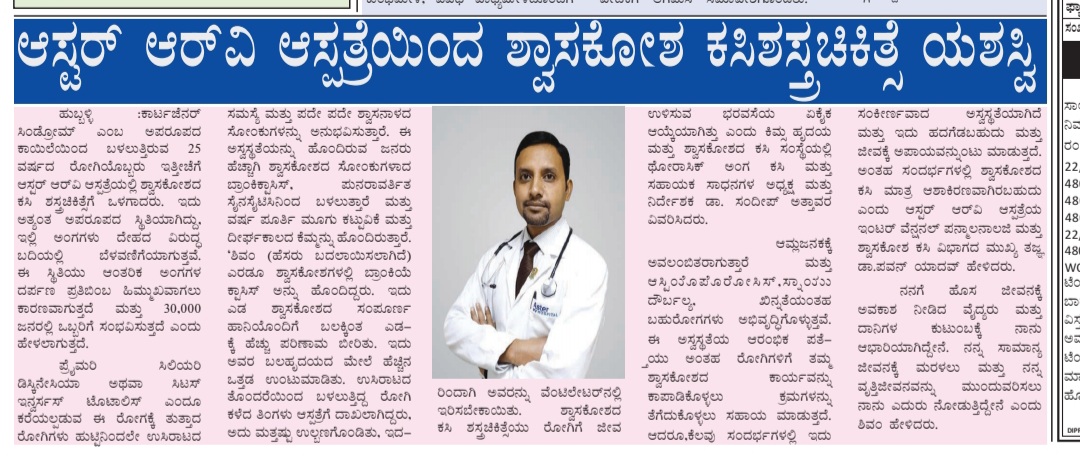
Senior Consultant & Clinical Director in Interventional Pulmonology, Lung Transplantation, and Critical Care at KIMS Super Speciality Hospital, Electronic City, Bengaluru.
Book Clinical Consultation