Dr.Pavan Yadav. MBBS, MD, FCCP.
Chronic obstructive pulmonary disease (COPD) is a chronic lung condition that can significantly impact a person's quality of life. While the symptoms of COPD can be similar to other respiratory conditions, a proper diagnosis is important to ensure appropriate treatment. In this article, we will explore the diagnosis of COPD and the tests used to diagnose the disease.
Medical history and physical examination
The first step in diagnosing COPD is a medical history and physical examination. Your healthcare provider will ask about your symptoms, medical history, and any risk factors for COPD, such as smoking or exposure to air pollution or chemicals. A physical examination may also be performed to listen to your lungs and check for any signs of respiratory distress.
Pulmonary function tests
Pulmonary function tests (PFTs) are a series of tests used to measure how well your lungs are functioning. PFTs are the most important tests used to diagnose COPD. These tests measure lung capacity, airway resistance, and how easily air moves in and out of the lungs. The most common PFTs used to diagnose COPD are spirometry and lung volume tests.
Spirometry
Spirometry is a test that measures how much air you can inhale and exhale and how quickly you can do it. During the test, you will be asked to breathe into a device called a spirometer, which measures the amount and speed of air flow. Spirometry can help determine how severe your COPD is and how well your lungs are functioning.
Lung volume tests
Lung volume tests measure the amount of air in your lungs and how much of it you can exhale. This test can help determine if your lungs are overinflated, which can be a sign of emphysema, a common type of COPD.
Other tests
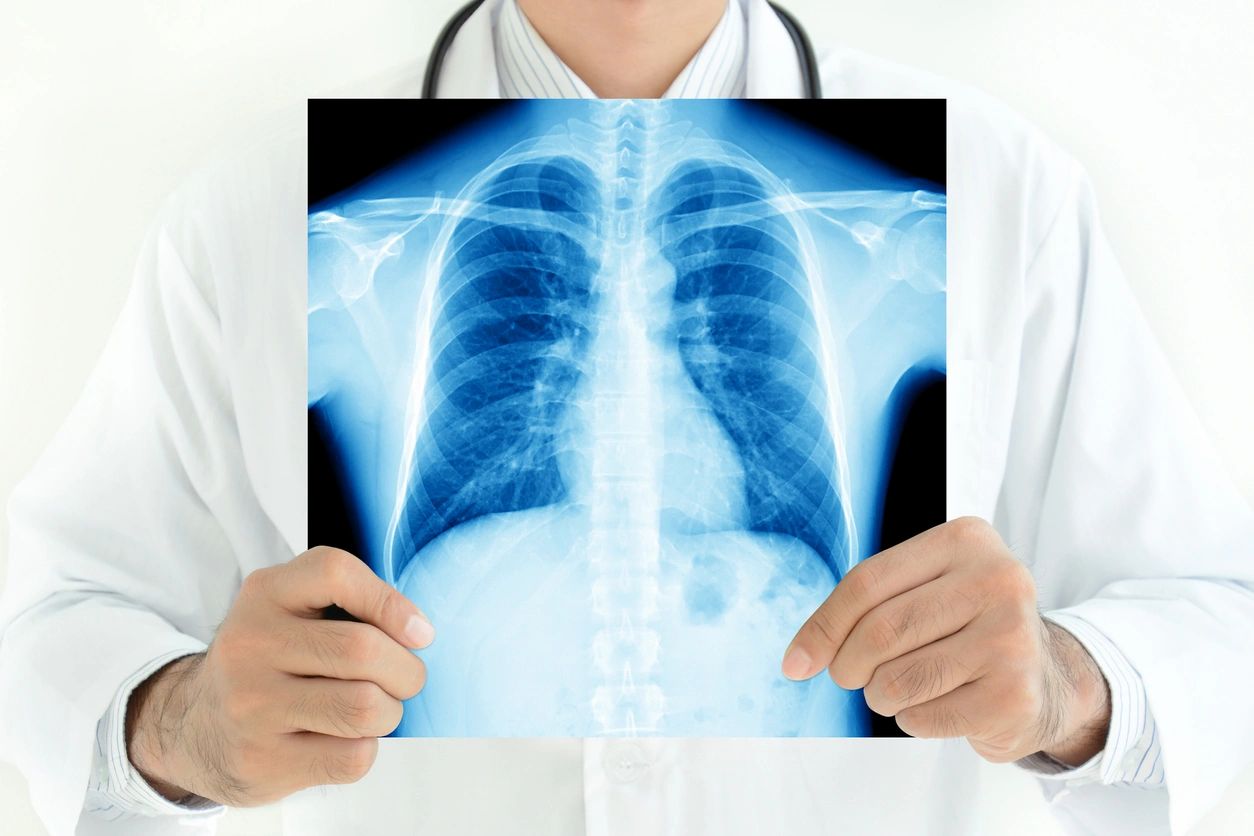
Other tests that may be used to diagnose COPD include chest X-rays, CT scans, and arterial blood gas tests. Chest X-rays and CT scans can help identify any lung damage or abnormalities, while arterial blood gas tests measure the oxygen and carbon dioxide levels in your blood.
In conclusion, diagnosing COPD involves a medical history and physical examination, as well as pulmonary function tests and other diagnostic tests. A proper diagnosis is important to ensure appropriate treatment and management of COPD. If you are experiencing any symptoms of COPD, such as shortness of breath or chronic cough, it is important to talk to your healthcare provider to receive a proper diagnosis and develop an appropriate treatment plan.
Consult Dr. Pavan Yadav M.V.
Senior Consultant & Clinical Director in Interventional Pulmonology, Lung Transplantation, and Critical Care at KIMS Super Speciality Hospital, Electronic City, Bengaluru.
Book Clinical Consultation