Dr.Pavan Yadav. MBBS, MD, FCCP.
Interstitial Lung Disease (ILD) is a group of lung disorders that affects the interstitial tissues of the lungs, which are the thin tissues that separate the air sacs in the lungs. ILD can cause scarring, inflammation, and damage to the lung tissue, leading to difficulty breathing, coughing, and fatigue.
ILD can be caused by a variety of factors, including exposure to environmental toxins, autoimmune disorders, and infections. The diagnosis of ILD can be challenging because the symptoms are similar to those of other respiratory conditions. However, with the help of a healthcare professional, proper diagnosis and treatment can be achieved.
Here are some of the steps involved in diagnosing ILD:
- Medical history and physical examination: Your doctor will start by taking your medical history and performing a physical exam. They will ask about your symptoms, including when they started and how severe they are. They will also ask about your past medical history, including any previous lung problems, and whether you have been exposed to any environmental toxins or have any underlying autoimmune disorders.
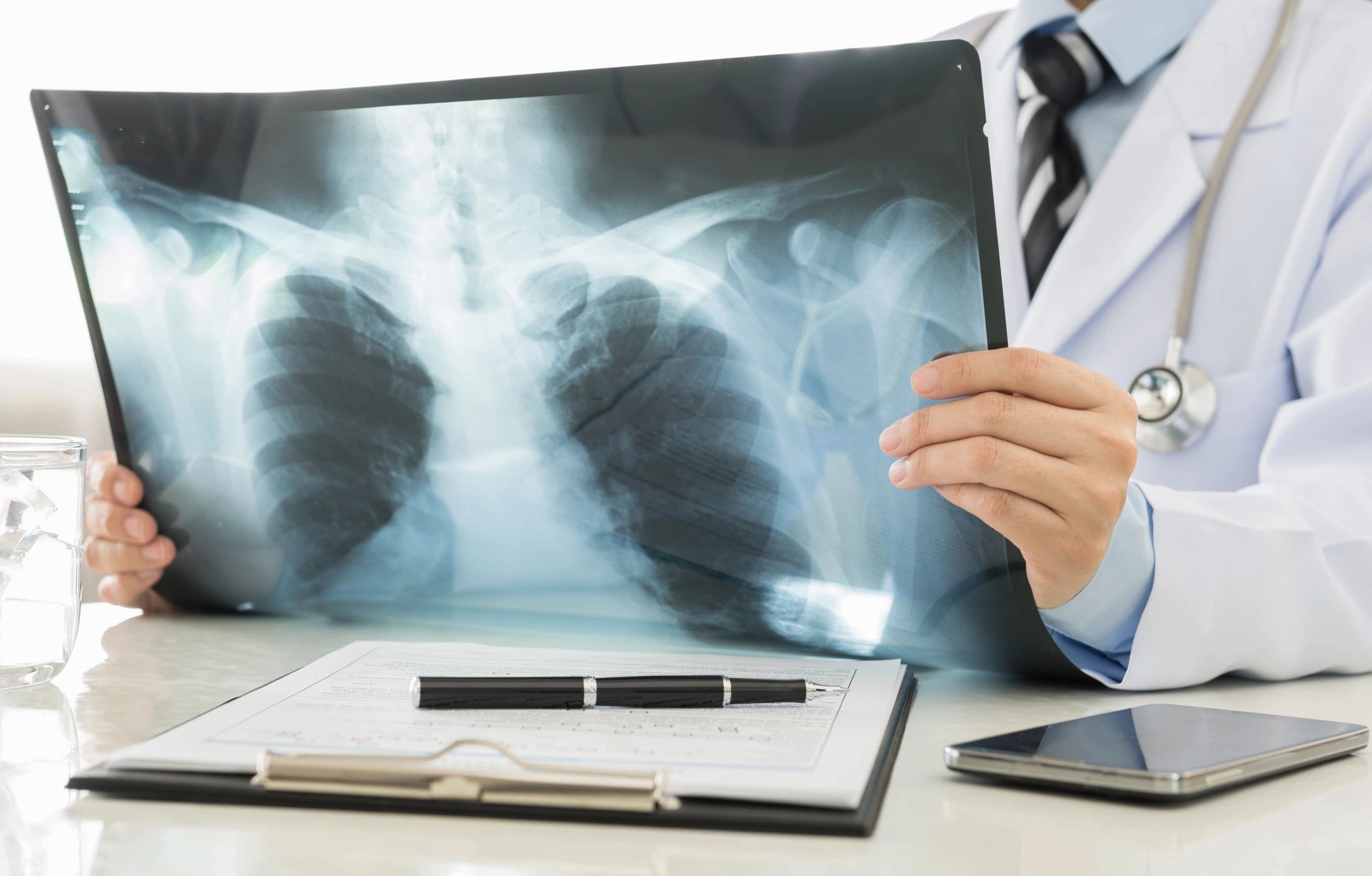
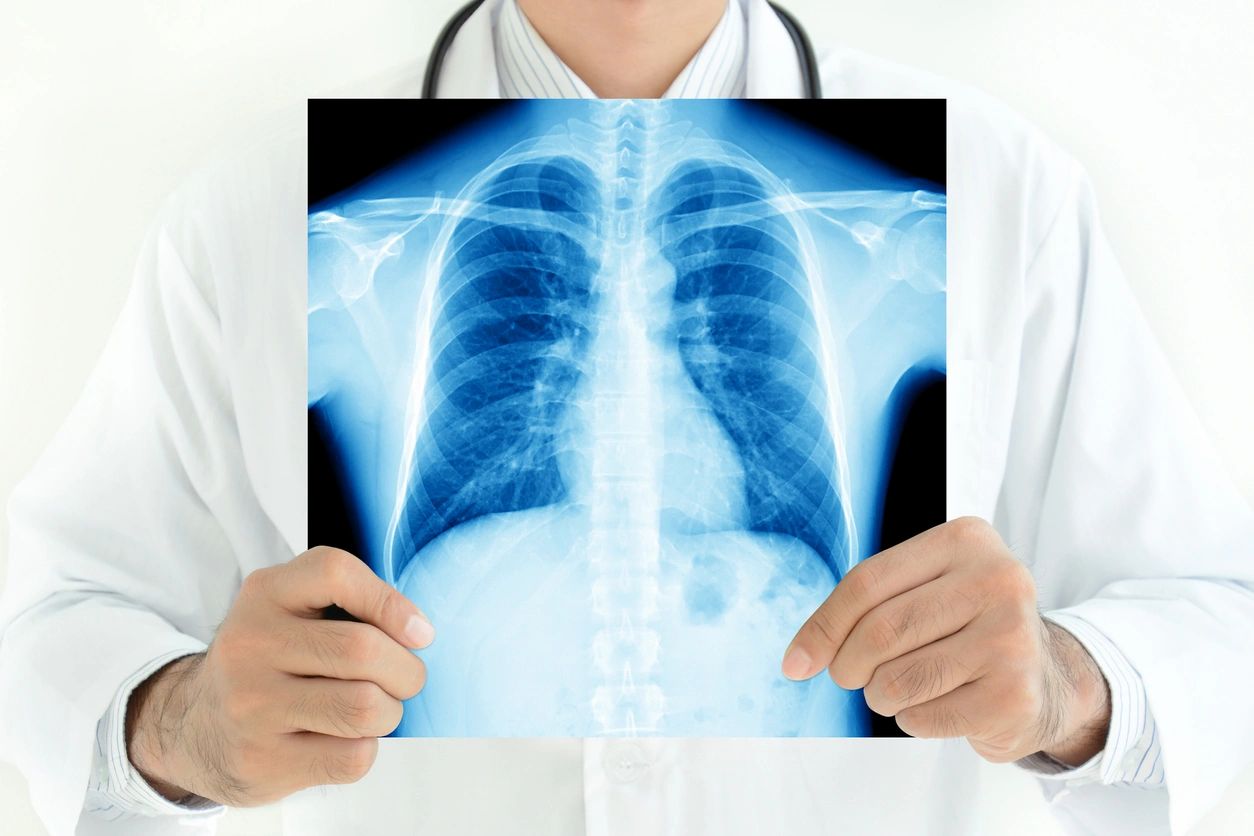
- Imaging tests: Imaging tests are an important part of the diagnostic process for ILD. Chest X-rays, and CT scans can all help to identify any abnormalities in the lungs, such as scarring or inflammation.
- Pulmonary function tests: Pulmonary function tests are used to measure how well your lungs are functioning. These tests can help to determine whether you have any breathing problems and can help your doctor to assess the severity of your ILD.
- Bronchoscopy: A bronchoscopy involves inserting a small camera into your lungs to examine the airways and take tissue samples for analysis. This procedure is usually performed under sedation or anesthesia.
- Blood tests: Blood tests can help to identify underlying autoimmune disorders or infections that may be contributing to your ILD.
- Lung biopsy: In some cases, a lung biopsy may be necessary to confirm the diagnosis of ILD. This involves taking a small sample of lung tissue for analysis.
The treatment for ILD will depend on the underlying cause and the severity of your symptoms. In some cases, lifestyle changes, such as quitting smoking or avoiding environmental toxins, may be enough to improve your symptoms. Medications, such as corticosteroids or immunosuppressants, may also be prescribed to reduce inflammation and prevent further damage to the lungs.
In summary, ILD is a group of lung disorders that can be challenging to diagnose due to the similarity of its symptoms with other respiratory conditions. A proper diagnosis of ILD requires a thorough medical history and physical examination, as well as imaging tests, pulmonary function tests, bronchoscopy, blood tests, and possibly a lung biopsy. Early diagnosis and proper treatment can help to improve the quality of life for those with ILD.
Consult Dr. Pavan Yadav M.V.
Senior Consultant & Clinical Director in Interventional Pulmonology, Lung Transplantation, and Critical Care at KIMS Super Speciality Hospital, Electronic City, Bengaluru.
Book Clinical Consultation