By Dr. Pavan Yadav M.V. (FCCP, MD)
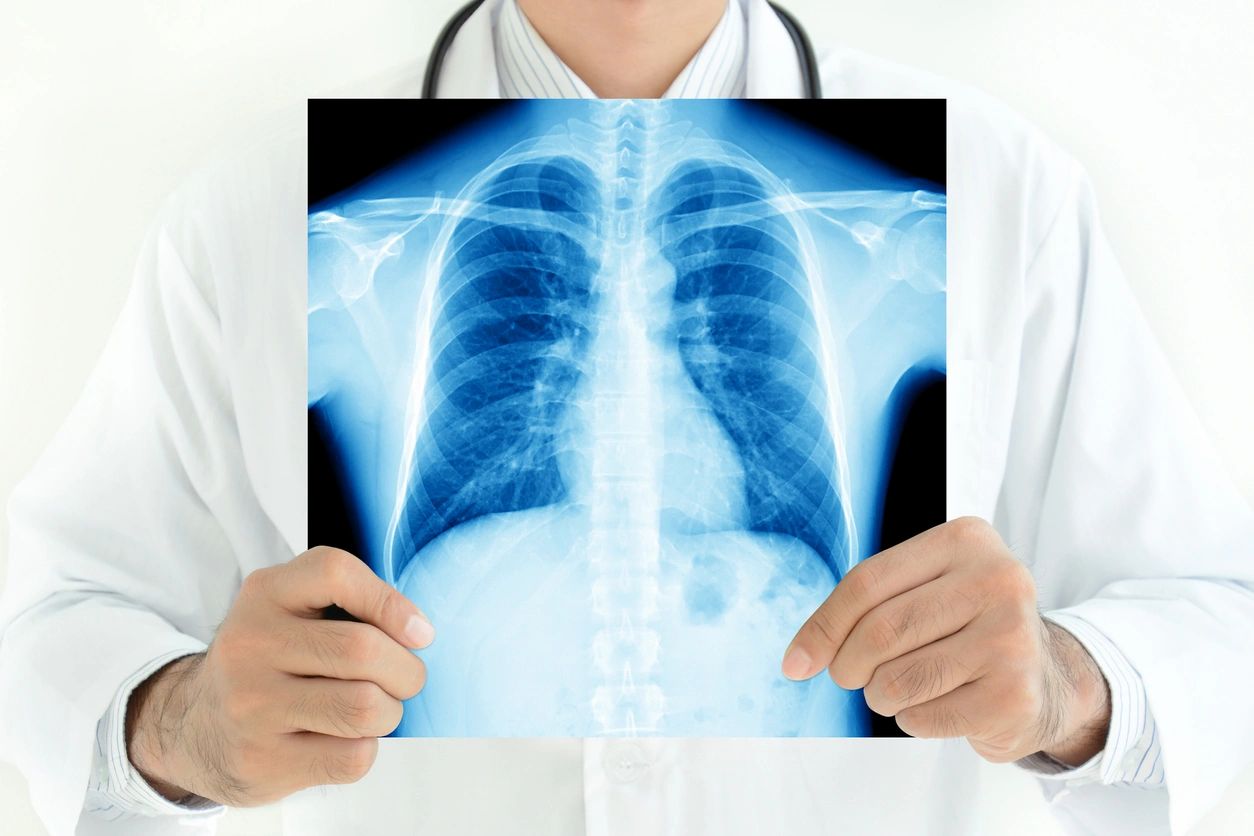
In high-density urban hubs like Bengaluru, pulmonologists have observed a sharp spike in cases of Hypersensitivity Pneumonitis (HP)—specifically Bird Fancier's Lung. Many patients present with progressive breathlessness and dry cough without ever having touched a pet bird or visited a farm.
The Urban Pigeon Connection
Modern apartment architectures frequently feature open balconies, air-conditioner ledges, and duct shafts where feral blue rock pigeons nest. The antigens responsible for Bird Fancier's Lung are avian proteins found within pigeon droppings, feather bloom, and dried fecal dust.
When dried pigeon droppings crumble, microscopic organic particles become airborne and are drawn into living spaces through windows and AC compressor units. When genetically susceptible individuals inhale these proteins over months or years, an exaggerated immune-mediated lymphocytic reaction inflames the delicate alveolar walls.
“The tragedy of Hypersensitivity Pneumonitis is that if identified early in the non-fibrotic stage, complete removal of the antigen can cure the disease. If ignored, it transforms into irreversible pulmonary fibrosis.” — Dr. Pavan Yadav M.V.
Prevention and Remediation Guidelines
- Install Bird Netting: Secure all balconies, utility areas, and AC ledges with durable anti-bird safety netting to prevent roosting.
- Safe Cleaning Protocols: Never sweep or vacuum dry pigeon droppings (which aerosolizes the proteins). Spray droppings thoroughly with disinfectant before wet-wiping with masks and gloves.
- Deep-Clean Air Conditioning Ducts: Ensure regular professional servicing of split AC filters and ducts to eradicate mold and organic spores.
Consult Dr. Pavan Yadav M.V.
Senior Consultant & Clinical Director in Interventional Pulmonology, Lung Transplantation, and Critical Care at KIMS Super Speciality Hospital, Electronic City, Bengaluru.
Book Clinical Consultation