By Dr.Pavan Yadav MBBS, MD, FCCP
Interstitial Lung Disease (ILD) is a group of lung disorders that can cause scarring, inflammation, and damage to the lung tissue. Monitoring and follow-up are crucial in the management of ILD, as they allow healthcare providers to track the progression of the disease, adjust treatment plans as needed, and provide education and support to patients.
Here are some key aspects of monitoring and follow-up in ILD:
- Pulmonary function tests (PFTs): PFTs are a series of tests that measure lung function, including the amount of air a patient can inhale and exhale and how well oxygen is delivered to the body. PFTs can help healthcare providers track changes in lung function over time and adjust treatment plans as needed.
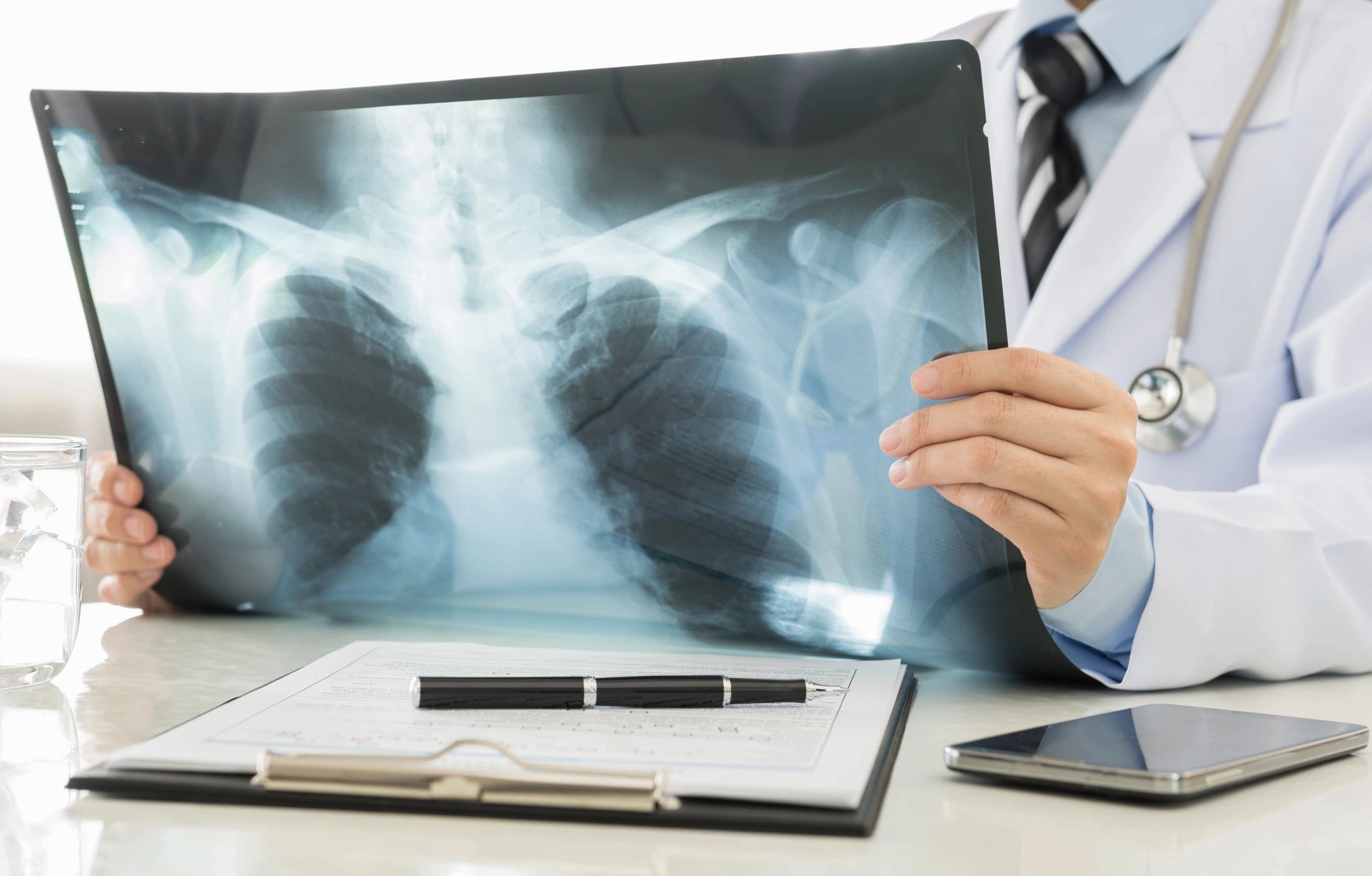
- High-resolution computed tomography (HRCT) scans: HRCT scans are a type of imaging test that can provide detailed images of the lungs. HRCT scans can help healthcare providers assess the severity of the disease, identify areas of inflammation and scarring, and track changes over time.
- Oxygen saturation monitoring: Oxygen saturation monitoring involves using a small device called a pulse oximeter to measure the amount of oxygen in a patient's blood. This can help healthcare providers determine if oxygen therapy is needed and adjust treatment plans as needed.
- Symptom monitoring: Patients with ILD should be encouraged to monitor their symptoms, such as coughing, breathlessness, and fatigue, and report any changes to their healthcare provider. This can help healthcare providers adjust treatment plans as needed and provide education and support to patients.
- Medication management: Patients with ILD may be prescribed medications, such as corticosteroids or immunosuppressive drugs, to reduce inflammation and prevent further damage to the lungs. Healthcare providers should monitor medication use and adjust treatment plans as needed to ensure that patients are receiving the appropriate medications at the appropriate doses.
- Follow-up appointments: Patients with ILD should schedule regular follow-up appointments with their healthcare provider to monitor their condition, track changes over time, and adjust treatment plans as needed. Follow-up appointments may include PFTs, HRCT scans, and oxygen saturation monitoring, as well as discussions of symptoms, medication use, and lifestyle modifications.
In summary, monitoring and follow-up are crucial in the management of ILD. Patients with ILD should work closely with their healthcare provider to develop an individualized monitoring and follow-up plan that takes into account their specific needs and goals. By tracking changes in lung function, adjusting treatment plans as needed, and providing education and support to patients, healthcare providers can help to improve the quality of life for patients with ILD.
Consult Dr. Pavan Yadav M.V.
Senior Consultant & Clinical Director in Interventional Pulmonology, Lung Transplantation, and Critical Care at KIMS Super Speciality Hospital, Electronic City, Bengaluru.
Book Clinical Consultation