
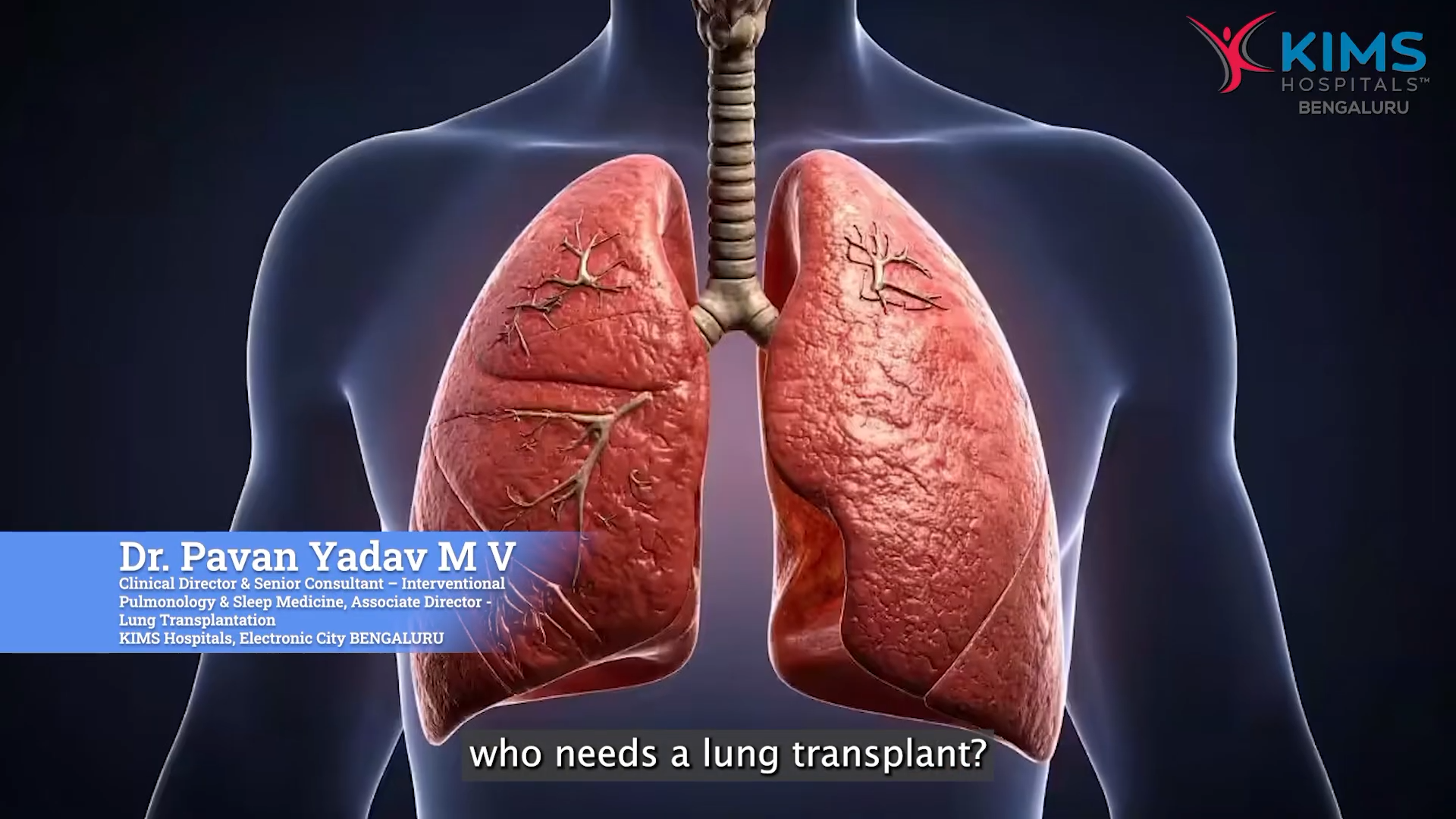
Key Clinical Takeaways from the Video
-
Exhaustion of Optimal Medical Therapy
Patients with persistent, progressive pulmonary decline despite maximal medical therapy (antifibrotics, dual bronchodilators, biologics, or continuous supplemental oxygen).
-
Severe Physiological & Gas Exchange Triggers
Forced Expiratory Volume in 1 second (FEV1) falling below 25-30% predicted, resting arterial PaO2 < 55-60 mmHg on room air, or persistent hypercapnia requiring non-invasive ventilation.
-
High Projected 2-to-3-Year Mortality Without Transplant
Projected 2-to-3-year mortality without transplant exceeding 50%, alongside a high probability of successful 1-year and 5-year post-transplant survival.
-
Rapidly Declining Functional Capacity
Marked falling 6-minute walk distance (< 300 meters) or severe oxygen desaturation during minimal routine daily activities.
-
Crucial Window of Opportunity for Early Referral
Referral must occur before secondary multiorgan failure, severe muscle cachexia, or emergency ICU decompensation makes transplant surgery unviable.
-
Extrapulmonary Organ Reserve Prerequisite
Well-preserved left ventricular cardiac function, normal or manageable renal function, and absence of active systemic infection or malignancy.