By Dr.Pavan Yadav. MBBS,MD,FCCP
Pollen allergy, also known as hay fever, is a common condition that affects millions of people around the world. It is an allergic reaction to pollen, which is released by trees, grasses, and weeds during the spring, summer, and fall months. The pollen is carried by the wind and can be inhaled into the nose and lungs, triggering an allergic response in susceptible individuals. In this blog, we will discuss the causes, symptoms, prevention, and management of pollen allergy.
Causes
Pollen allergy occurs when the immune system overreacts to the presence of pollen in the body. When pollen enters the body, the immune system produces antibodies that identify it as a harmful substance. These antibodies then trigger the release of histamine and other chemicals, which cause the symptoms of allergy.
Symptoms
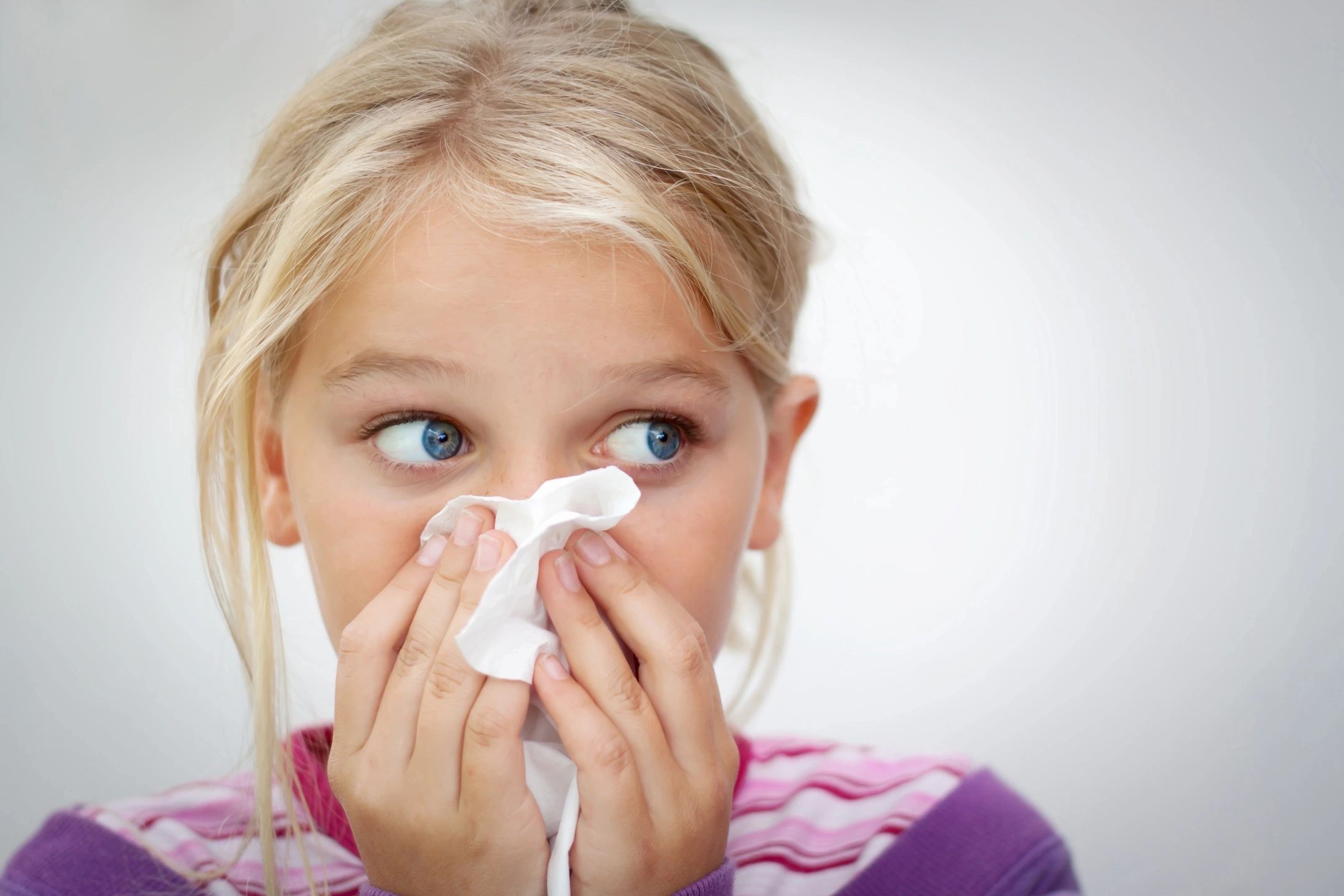
The symptoms of pollen allergy can vary from person to person, but they typically include:
- Sneezing
- Runny nose
- Stuffy nose
- Itchy nose, eyes, or throat
- Watery eyes
- Fatigue
- Headache
- Difficulty sleeping
In some cases, pollen allergy can also trigger asthma symptoms, such as wheezing, coughing, and shortness of breath.
Prevention
Preventing pollen allergy is not always possible, but there are several steps you can take to reduce your exposure to pollen and minimize your symptoms. These include:
- Avoiding outdoor activities when pollen counts are high
- Keeping windows and doors closed during peak pollen season
- Using an air purifier with a HEPA filter to remove pollen from indoor air
- Showering and changing clothes after spending time outdoors to remove pollen from your skin and clothing
- Using over-the-counter nasal sprays or antihistamines to relieve symptoms
Management
If you have pollen allergy, there are several management strategies you can use to minimize your symptoms and improve your quality of life. These include:
- Taking allergy medications, such as antihistamines, decongestants, and nasal corticosteroids, as prescribed by your doctor
- Using allergy shots or immunotherapy to desensitize your immune system to pollen over time
- Trying natural remedies, such as saline nasal rinses, steam inhalation, and herbal supplements, to relieve symptoms
- Avoiding triggers that worsen your symptoms, such as smoke, pollution, and strong odors
- Monitoring pollen counts and adjusting your activities accordingly
Conclusion
Pollen allergy can be a frustrating and uncomfortable condition, but there are many strategies you can use to manage your symptoms and improve your quality of life. By understanding the causes and symptoms of pollen allergy and taking steps to prevent and manage it, you can reduce your exposure to pollen and minimize your symptoms, allowing you to enjoy the outdoors and live your life to the fullest. If you are experiencing symptoms of pollen allergy, consult your doctor for an accurate diagnosis and personalized treatment plan.
Consult Dr. Pavan Yadav M.V.
Senior Consultant & Clinical Director in Interventional Pulmonology, Lung Transplantation, and Critical Care at KIMS Super Speciality Hospital, Electronic City, Bengaluru.
Book Clinical Consultation